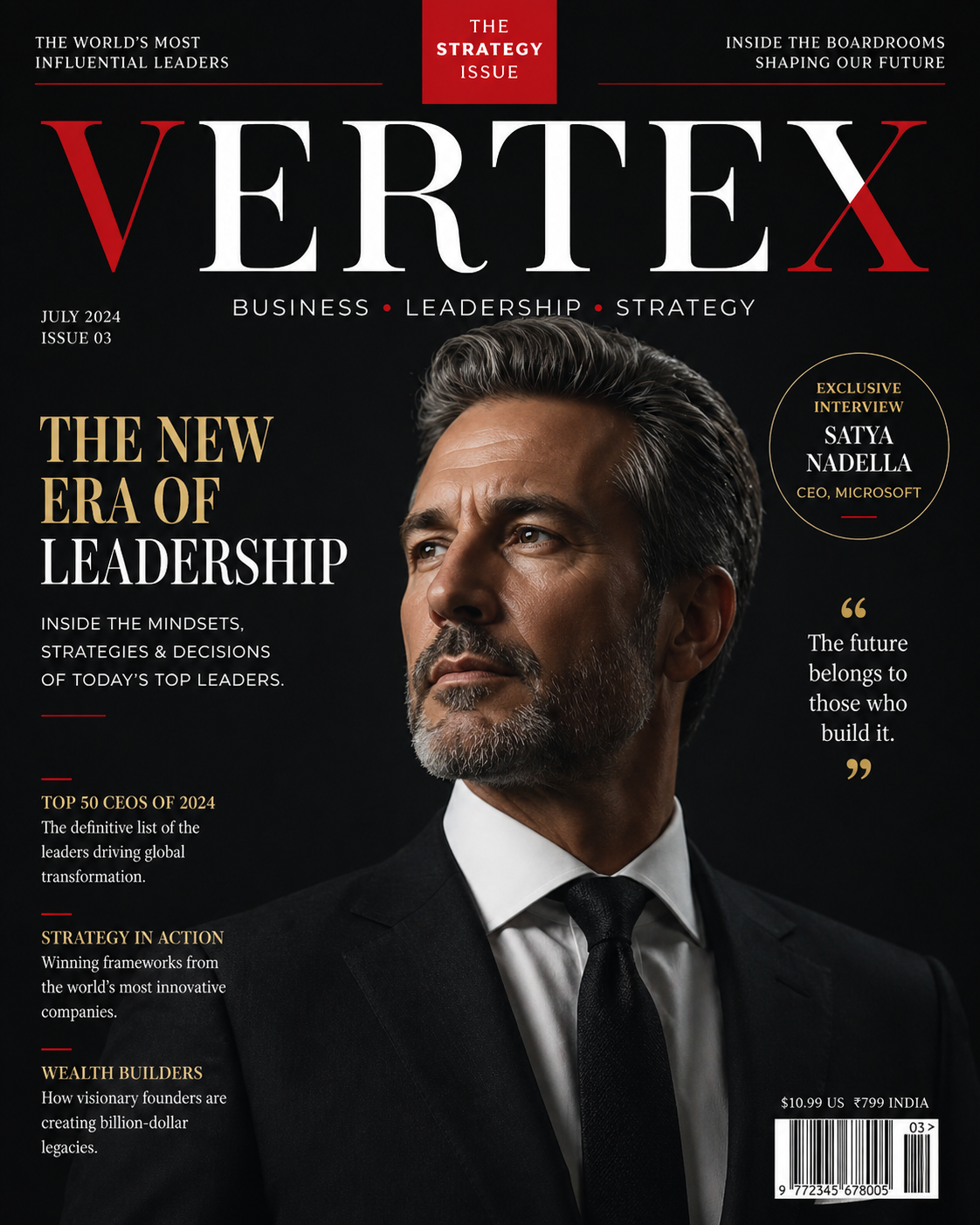
Three observations for today’s leaders:
- Clarity beats complexity. If your leadership team can’t explain your strategy in a few sentences, alignment is already fractured. Complexity may feel sophisticated, but it rarely scales.
- Trade-offs define direction. Every priority you add dilutes another. High-performing organizations aren’t the ones doing the most—they’re the ones doing the most important things exceptionally well.
- Execution is the strategy. Markets reward outcomes, not intentions. A mediocre strategy executed with discipline will outperform a brilliant one that lives in decks.
The question isn’t whether your organization has a strategy. It’s whether your choices are bold enough to make it visible in everyday decisions.
Growth Without Discipline Is Just Expensive Noise
Many organizations chase growth as if scale alone guarantees success. It doesn’t. Growth, without operational discipline, quietly erodes margins, culture, and customer trust.
A few realities worth confronting:
- Revenue is vanity, margin is sanity. Top-line expansion can hide inefficiencies for a while—but eventually, the math catches up. Sustainable growth is built on unit economics, not optimism.
- Speed amplifies flaws. Scaling a broken process doesn’t fix it—it multiplies the damage. Before accelerating, ensure your systems, talent, and governance can withstand pressure.
- Not all customers are equal. Strategic leaders know when to say no. The wrong customers can cost more than they contribute—financially and culturally.
- Culture is a growth constraint—or a growth engine. Rapid expansion tests values. If your culture isn’t intentional, it will become accidental.
The strongest companies don’t just grow fast—they grow well. That distinction is where long-term advantage lives.